Sickle cell is the fastest-growing genetically inherited condition in the UK. Over 17,000 adults live with it today — yet most people couldn't tell you what it does to a body in the middle of a crisis. We're working to change that.
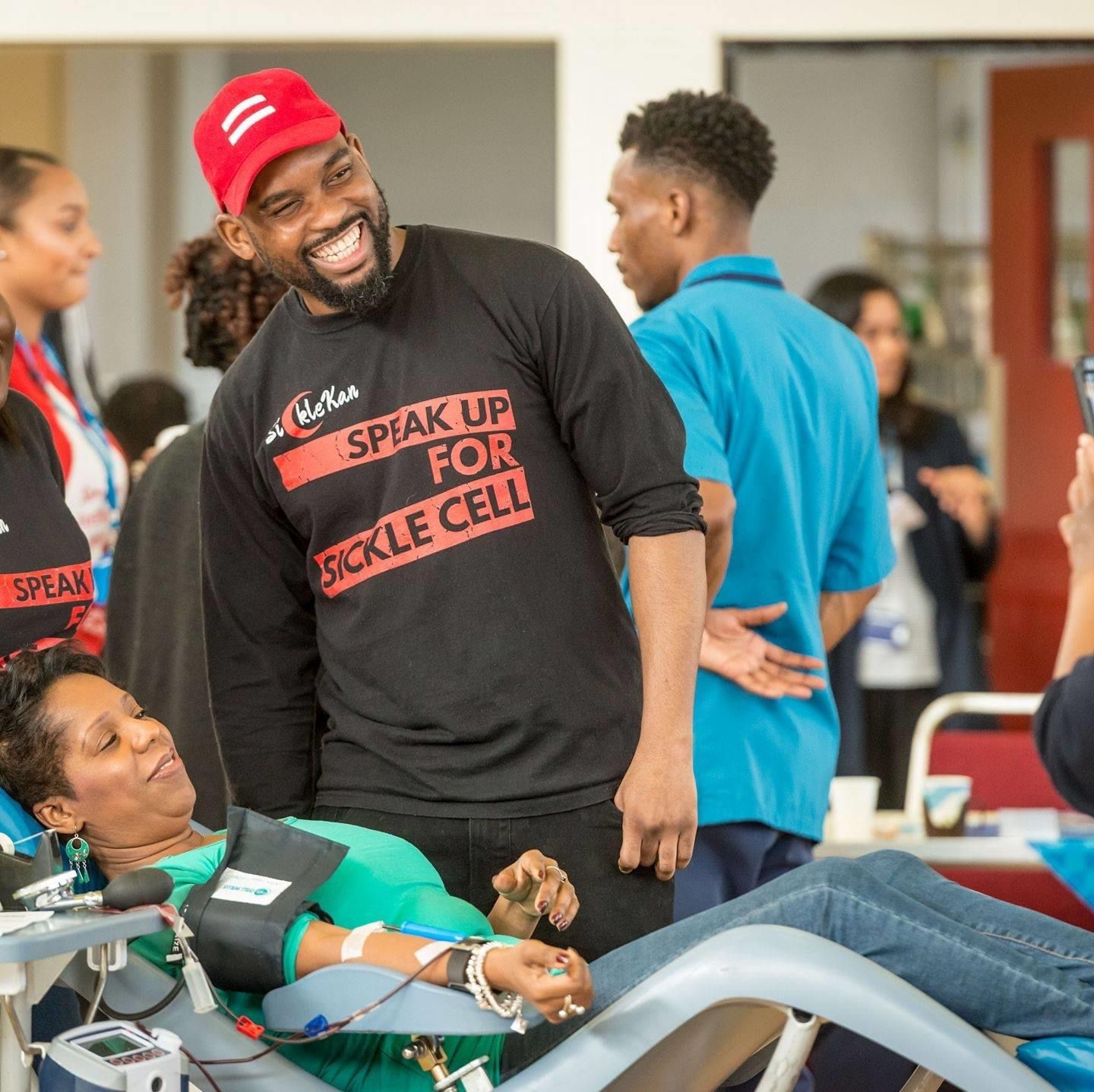
It is the fastest-growing genetically inherited condition in Britain, and the most under-discussed. SickleKan exists to change that — through stories, schools, hospitals and the platforms that reach people first.
A pain crisis can put me in hospital for a week. The hardest part is that almost no-one I meet has even heard of it.
SickleKan started life eight years ago as a single Instagram page, determined to make space for a condition the country wasn't talking about.
Today we're one of the first British platforms built for sickle cell patients to share their stories on their own terms. We've worked alongside the NHS, Kings College Hospital, the BBC, local councils and schools across London — bringing patient voices into rooms that have historically left them out.
Our work is community-funded and community-led. Every story you read, every workshop we run, every leaflet we ship comes from people who live with sickle cell every day.
In sickle cell disease, red blood cells become rigid and curved like a crescent. They block small vessels, cutting off oxygen to tissues — the source of the unpredictable, full-body pain that patients call a crisis.
Sickle cell is passed down genetically and is most common in people of African and Caribbean heritage. It is the fastest-growing inherited condition in the UK, screened at birth on the NHS heel-prick test.
A regular transfusion can keep a patient out of crisis for months. Matched stem cells can cure. And awareness — in A&E rooms, in schools, at workplaces — closes the gap between symptom and care.

Mary describes her sickle cell as “the third person in every relationship” — and tells us why she writes about it anyway.

The inception of Black History Month started in the US with historian Carter G. Woodson — here's why we mark it with a sickle cell focus.

As September draws to a close, we continue the conversation into October — and the patients we met along the way.